
5 Steps to Nurturing Emotional Literacy in Students
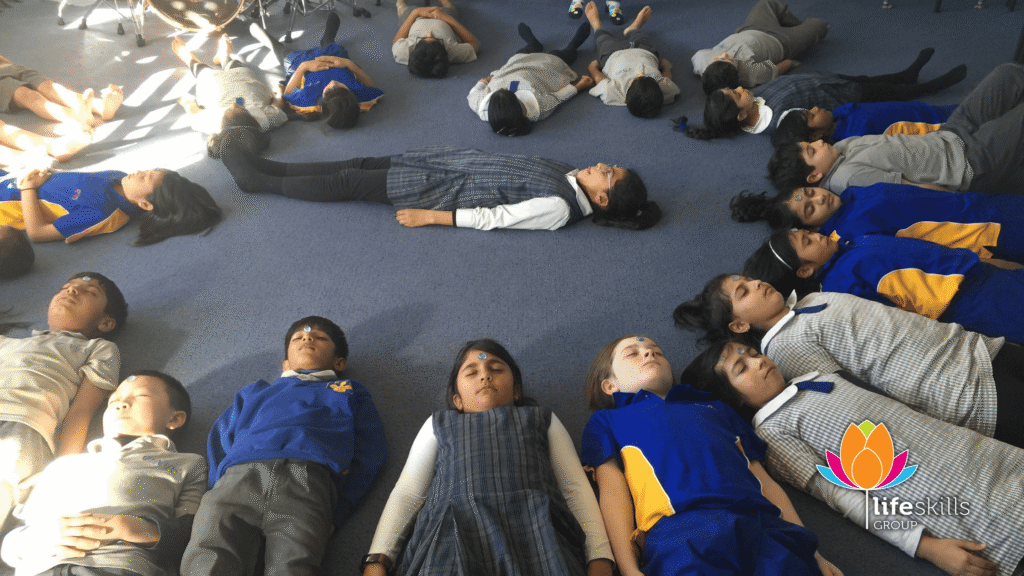
Emotional intelligence significantly impacts a child’s development, success, mental health, resilience, relationships, and academic performance. Teaching emotions equips children with essential tools to navigate challenges, communicate effectively, and foster healthy connections with others. Step 1: Help students become self aware Teaching emotions starts with helping children recognise and identify their own emotions. This involves building […]
Collecting Consistent Wellbeing Data to Drive Change and Measure Success

Introduction In today’s digital era, data has emerged as a powerful tool for gaining insights into various aspects of our lives. One particular area where data can truly make a difference is in measuring and enhancing student wellbeing. The practice of consistently collecting wellbeing data has the potential to completely transform how schools approach mental, […]
Exploring the Connection Between Attendance, Behaviour, and Wellbeing

Introduction Imagine a Venn diagram where the circles of wellbeing, attendance, and behaviour intersect. This overlapping region is where the magic happens. Each of these components influences and is influenced by the others, creating an interconnected network that fosters success and growth. Let’s delve into how these elements interconnect and collaborate to create a thriving […]
Importance of empowering student voice: From connected classrooms to thriving future leaders

In the dynamic realm of education, one essential truth shines through: empowering student voice lies at the heart of building resilient and thriving school communities. As we embark on this journey of empowerment, let’s explore the myriad of ways in which prioritising student voice transforms the educational landscape and shapes the future of our young […]
Understanding Emotions: The Key to Consistent Attendance and Student Engagement

Emotions are powerful drivers of our actions, influencing every aspect of our lives, including our attendance and engagement at school or work. At times, we may not realise the extent to which our emotions shape our behaviours, but by understanding their role, we can gain valuable insights into our motivations and actions. In this blog […]
Fostering Emotional Regulation: A Crucial Skill for Lifelong Success

In the fast-paced world of education, where academic excellence often takes centre stage, the importance of emotional intelligence can sometimes be overlooked. However, if schools are truly aiming to equip students with the skills they need to thrive beyond the classroom, then teaching strategies for emotional awareness and regulation must be a top priority. Emotional […]
10 Tips for Teacher Self Care: Modelling Wellness for Future Generations

In the hustle and bustle of the teaching profession, educators often find themselves prioritising the wellbeing of their students above their own. However, neglecting self-care can lead to burnout, decreased job satisfaction, and ultimately impact the quality of education provided. Moreover, teachers serve as role models for their students, and by practicing self-care, they can […]
De-implementation and 8 questions to consider with your wellbeing programs

There is some excitement around de-implementation in education at the moment. You might hear it referred to as pruning, reducing or my favourite term ‘doing less, better’. De-implementation is the idea that we stop doing things that don’t work or are not worth the effort and energy it takes to do them. This is obviously […]
Differentiating wellbeing support in schools: What can we do?

Differentiating wellbeing support: To differentiate effectively there are 3 points for us to evaluate. I really don’t like these medical terms to describe these points. While I acknowledge they can be illustrative and useful for conveying purpose, they infer that a student requiring differentiation has a problem that needs curing. This is absolutely not consistent with […]
Readiness to learn – and our sphere of control, influence and concern

Readiness to learn – and our sphere of control, influence and concern I’m sure you are familiar with the spheres of control, influence and concern. Covey gets a lot of credit for popularising these in his book ‘The 7 Habits of Highly Effective People: Powerful Lessons in Personal Change’, although the idea predates this. I quite […]