
3 Strategies to Improve Social Awareness in Children
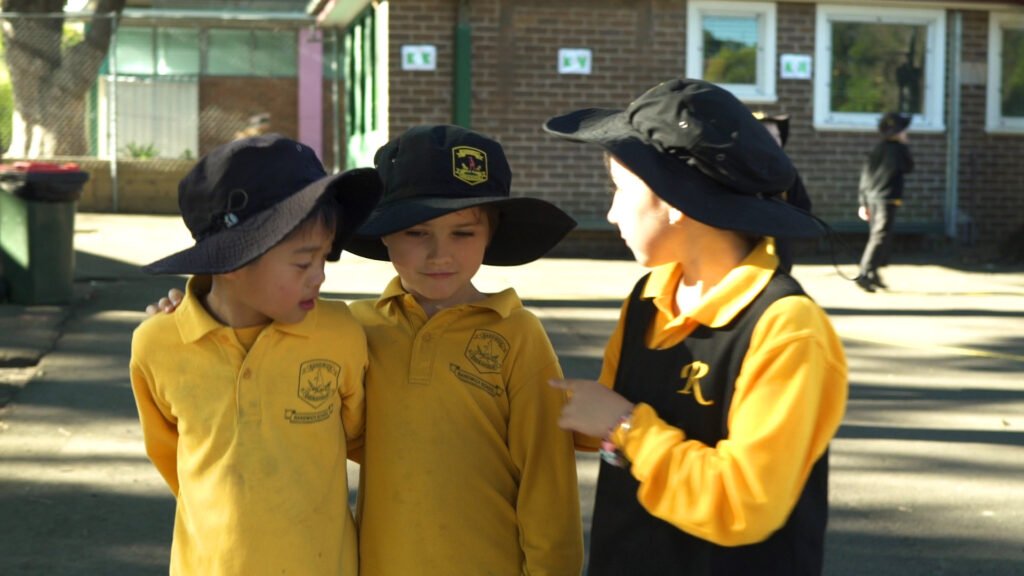
What is social awareness? Social Awareness is an aspect of Emotional Intelligence which encompasses key life skills such as empathy, compassion and understanding of relationships. A strong sense of social awareness means one can effectively use these skills to accurately read situations and people because they are able to understand and empathise with their emotions. […]
3 Strategies to Reduce Anxiety in Primary School Children
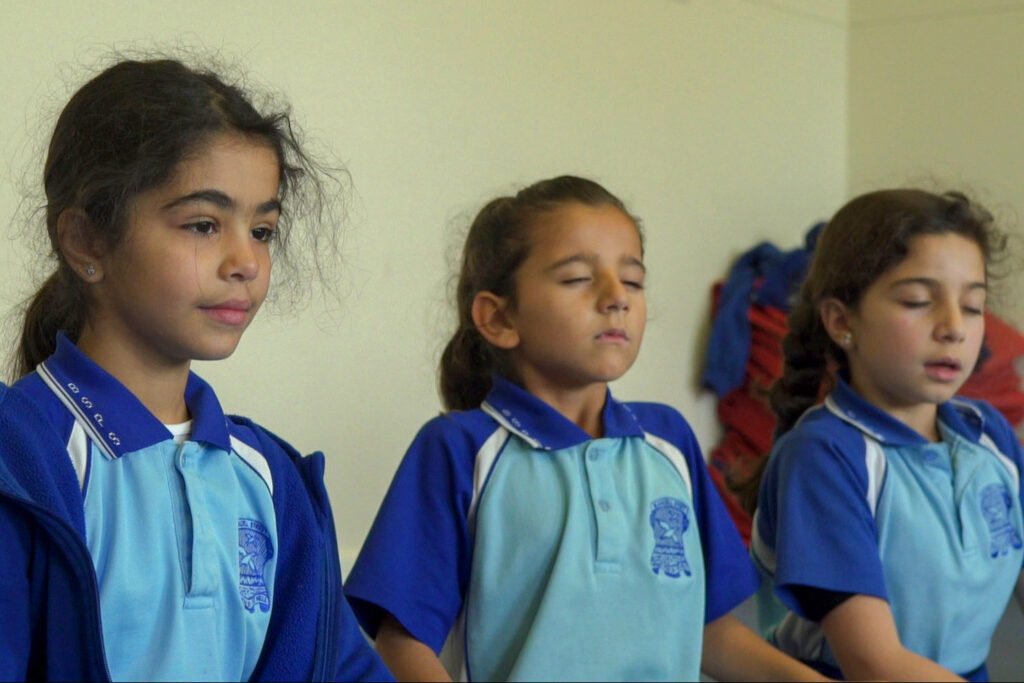
The first day of term, public speaking, NAPLAN, even just everyday interactions on the playground – what do these have in common? If you guessed common sources of anxiety for primary school children, give yourself a pat on the back. As adults with life experience, these activities can seem relatively innocuous, however, in a big and […]
How to Maximise Your Leadership Skills Through EQ
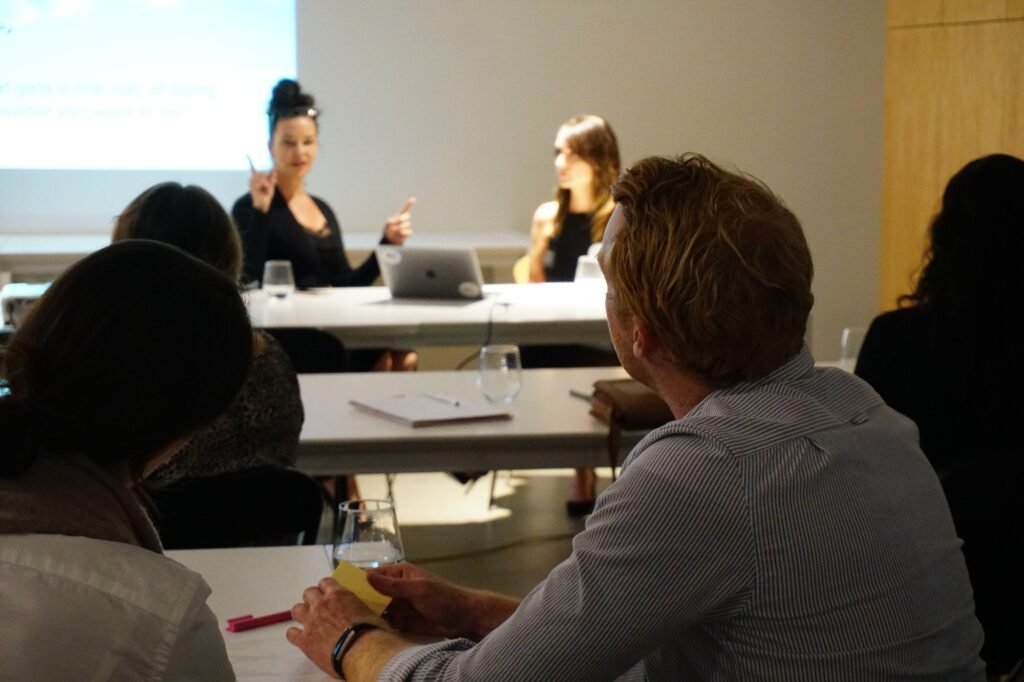
Whether it was at work, in a sports team or working on a group assignment back in your university days, we’ve all met someone who you can immediately tell has exceptional aptitude to lead. On the other hand, it’s quite possible you’ve witnessed this from the other perspective. With poor leadership, quite often you will […]
Why R U OK? Day Should Matter In Your School Community
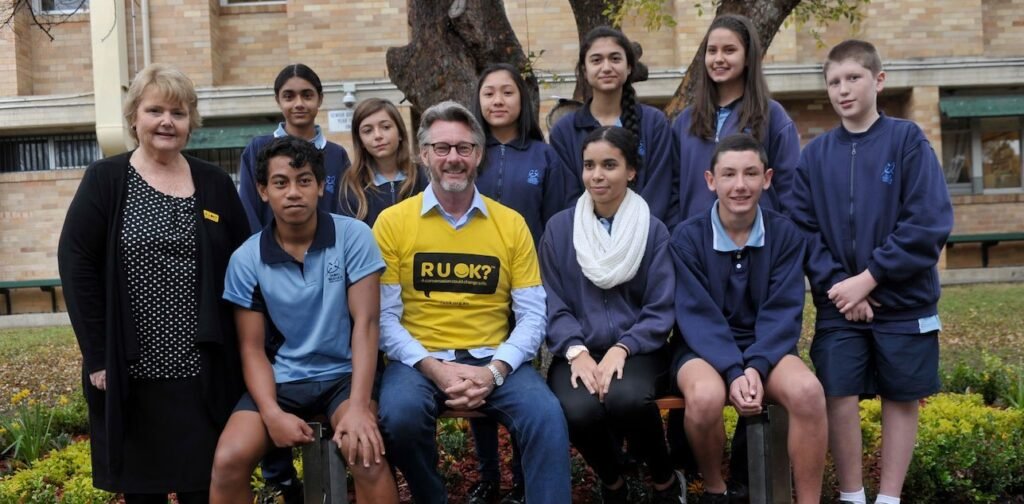
“Vulnerability is not weakness; it’s our greatest measure of courage.” – Brené Brown I think this statement is a perfect way to help us understand the ideas behind R U OK? DAY which happens every year on September 12th. It was created as a way to bring awareness and drive conversations around mental illness and suicide […]
7 Practical Tips for More Resilient Children
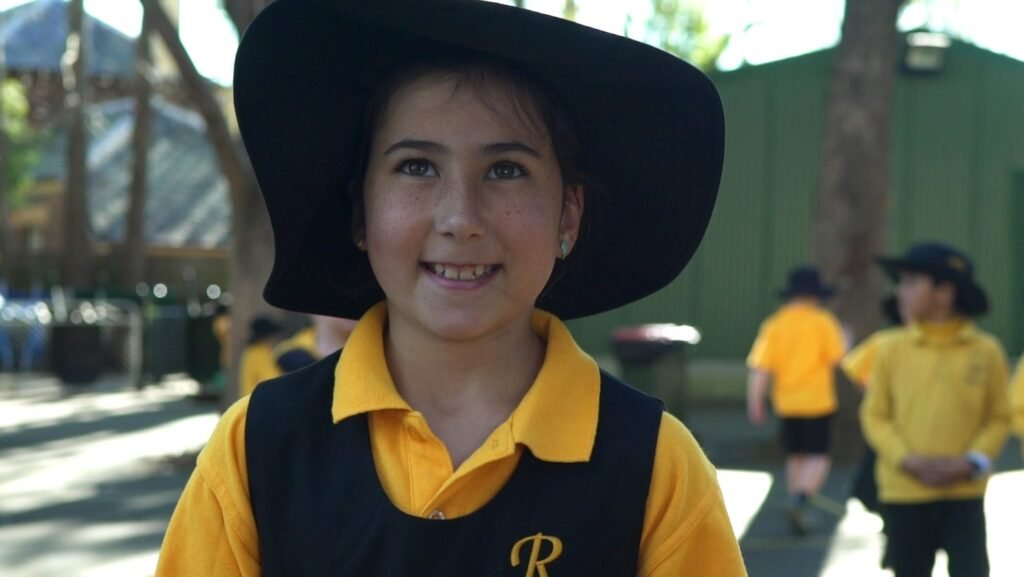
Resilience is becoming increasingly talked about as it becomes clearer that our kids are having difficulties ‘coping’ with everyday life and the mental health statistics are spiralling dangerously upwards. Improving children’s resilience is an effective way to help them manage life’s inevitable peaks and troughs, keeping them mentally well and able to thrive in their lives. What […]
Dr. Dan Siegels 4 S’s of attachment – How they can help us in the classroom
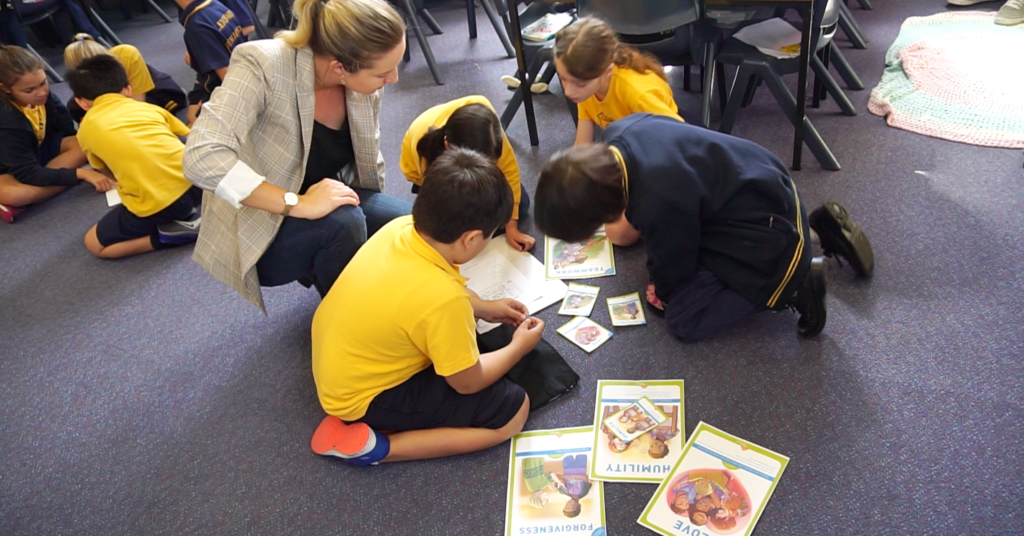
Research shows that children benefit from multiple healthy attachments. And those they form with educators, who shape our next generation by leading their learning and development, are crucially important. We know that the quality of teacher–child relationships has a considerable impact on academic successes, as well as cognitive, affective and emotional growth and also influences children’s social adjustment in school, especially in the primary school years (Hamre & […]
5 Crucial Lessons I Learned as a Leader

I work across a few environments: when I’m not standing in front of educators or parents talking about wellbeing, I’m teaching the neuroscience of change in organisations, or helping facilitate week-long workshops in neuroscience and meditation, leading a group of 80 people within a wider group of up to 2000 participants. And, most importantly, parenting […]
The Importance of Developing a Sense of Belonging

Anybody who knows me knows how much I like to talk about belonging, particularly when it comes to our children’s mental health. A sense of belonging is crucial to our life satisfaction, happiness, mental and physical health and even longevity. It gives us a sense of purpose and meaning. Research has shown that loss of […]
The Importance of Resilient Children In a Digital Age
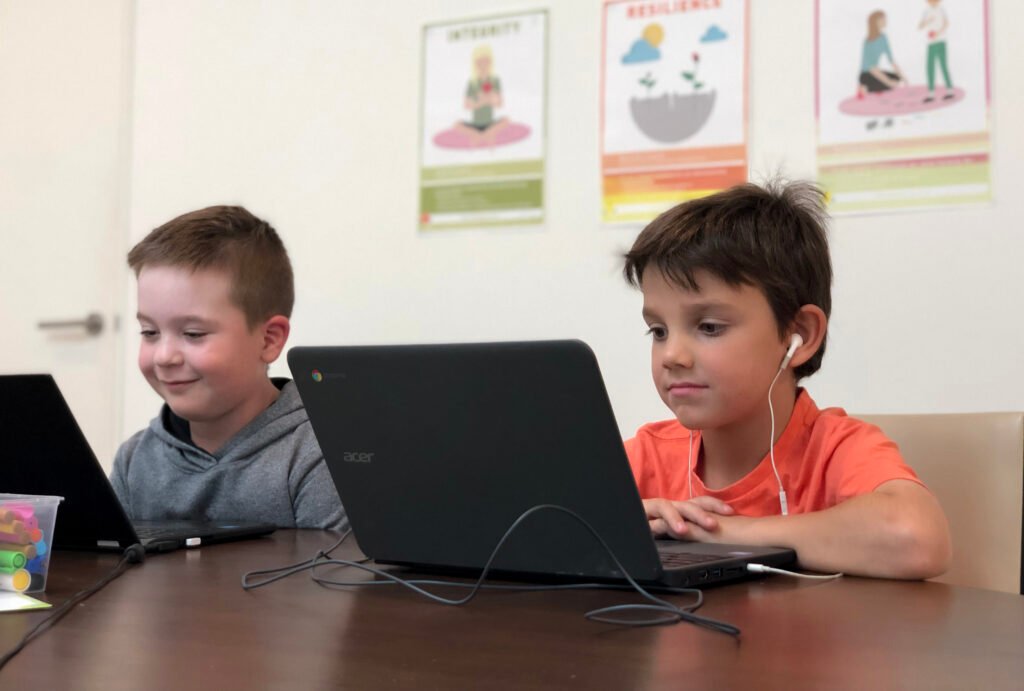
Have you ever seen a child try to do something they’ve never done before and just give up because they fail and it just seems all too hard? Only to watch their friend do the same thing, also fail but then try again, sometimes several times, until they get it right. I think we can […]
Improving Educator Wellbeing during COVID-19

Teachers play an important and influential role in the lives of their students, in their families and the community. Their duties and responsibilities extend far beyond meeting learning outcomes, to caring for the social and emotional needs of their students. The pandemic has caused undue stress to families, students, and teachers. We want to help […]