
Improving School Attendance with Emotional Literacy & Self-Regulation Skills

The role of whole-school wellbeing in bolstering student attendance. As educators, we know that student attendance is positively related to learning outcomes. A review of historical attendance data shows that disparities in attendance starting in primary school have a significant impact on an increase of absenteeism into secondary school. It may be worth considering the […]
7 Ways Collecting Consistent Wellbeing Data Will Drive Positive Change
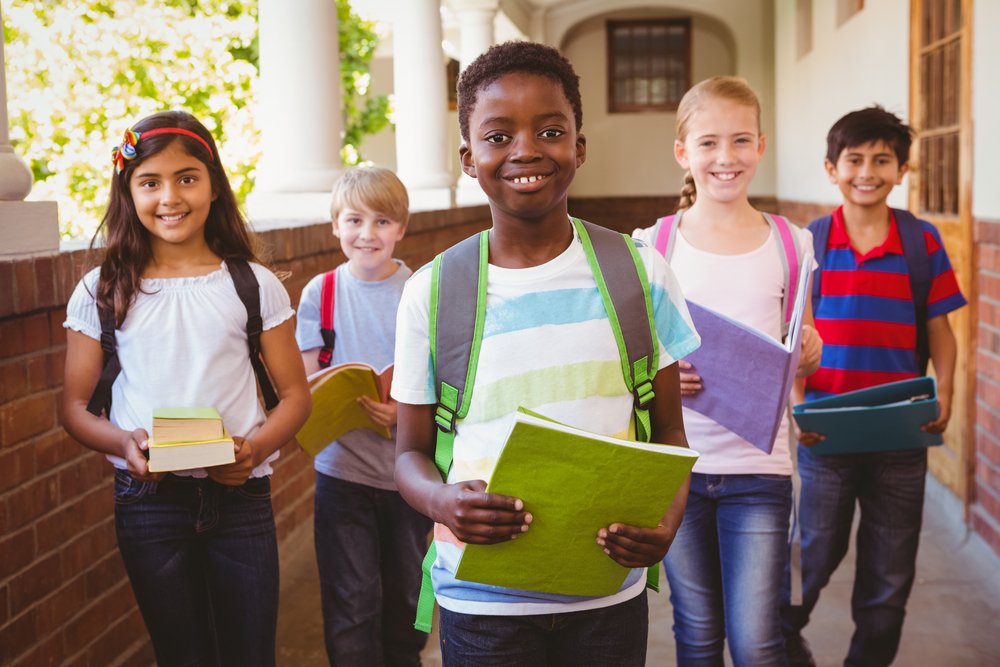
In today’s digital age, data is crucial for understanding how the forces of the modern world impact our lives. If you’ve been following Life Skills GO, even just for a short while, you’ll know that one important way we can use data is by measuring and improving student wellbeing. Collecting this data consistently can revolutionise how schools […]
5 ways to successfully support your students through transitions

Oscillating emotions and successful transitions by Rydr Tracy – Head of Education, Life Skills Group and Former Director Strategic Priorities, CESE Getting off the plane in a new city, I check my passport for the 13th time in 3 minutes. Confident I have it, I reassuringly pat my zipped pocket again, ensuring it hasn’t moved in […]
How to support student wellbeing during NAPLAN

Are we still stressing about NAPLAN scores? When NAPLAN was introduced, much like the SAT and innumerable other standardised assessments around the world, there was optimism that the results could be used to help identify what worked and what didn’t. The underlying hypothesis was that if we know how students are faring then we can […]
Creating the space for wellbeing in schools
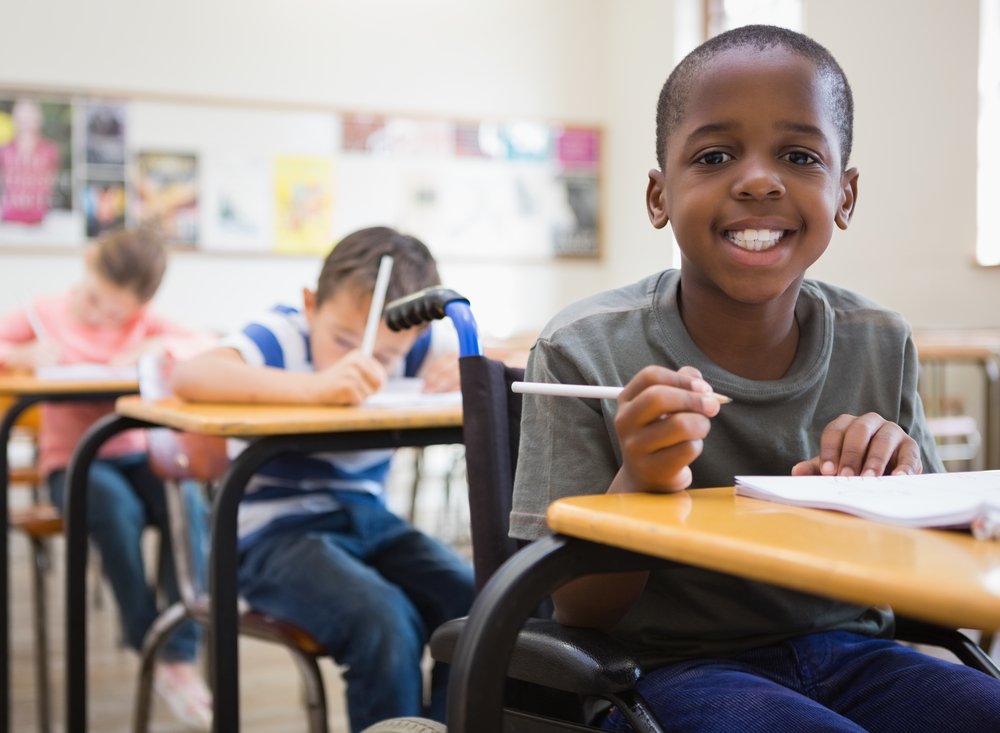
Last week, I had the absolute privilege to present a keynote to a wonderful group of middle leaders and school executives. As part of the day, I was following on from emeritus professor Dylan Wiliam, who needs no further introduction. Professor Wiliam spoke clearly and articulately (unsurprisingly) about concepts from his work on formative assessment […]
The power of strengthening family-school partnerships: A united approach to wellbeing.

There is a significant amount of research that suggests family-school partnerships have positive impacts on academic achievement (Alton-Lee, 2003; Epstein, 2001; Pomerantz & Moorman, 2010). Research reviewing different forms of family-school partnerships demonstrate the biggest impact on student learning comes from parent-teacher intervention programs with an effect size of 1.81 (Robinson, Hohepa, & Lloyd, 2009). […]
Importance of empowering student voice: From connected classrooms to thriving future leaders

In the dynamic realm of education, one essential truth shines through: empowering student voice lies at the heart of building resilient and thriving school communities. As we embark on this journey of empowerment, let’s explore the myriad of ways in which prioritising student voice transforms the educational landscape and shapes the future of our young […]
Understanding Emotions: The Key to Consistent Attendance and Student Engagement
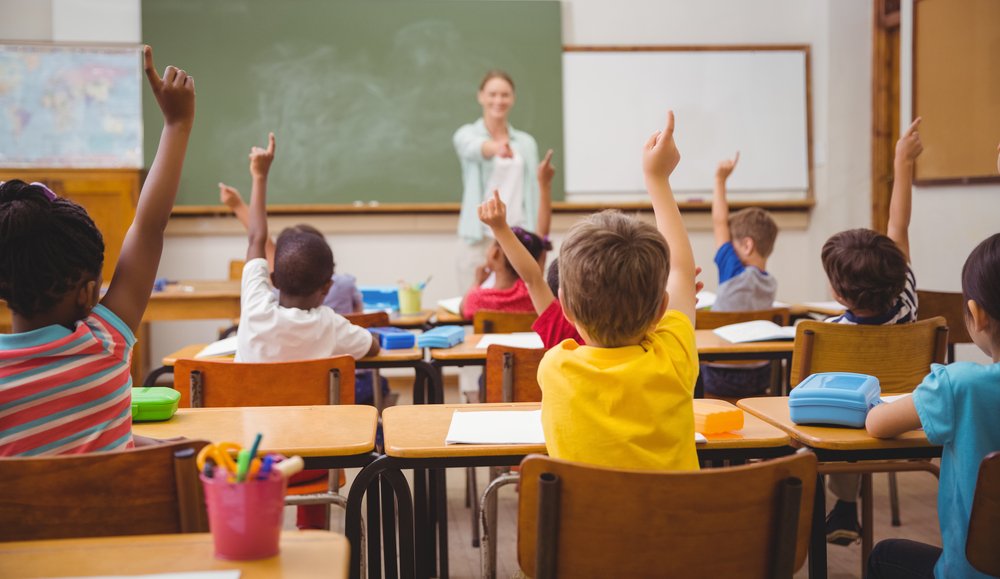
Emotions are powerful drivers of our actions, influencing every aspect of our lives, including our attendance and engagement at school or work. At times, we may not realise the extent to which our emotions shape our behaviours, but by understanding their role, we can gain valuable insights into our motivations and actions. In this blog […]
Fostering Emotional Regulation: A Crucial Skill for Lifelong Success

In the fast-paced world of education, where academic excellence often takes centre stage, the importance of emotional intelligence can sometimes be overlooked. However, if schools are truly aiming to equip students with the skills they need to thrive beyond the classroom, then teaching strategies for emotional awareness and regulation must be a top priority. Emotional […]
10 Tips for Teacher Self Care: Modelling Wellness for Future Generations

In the hustle and bustle of the teaching profession, educators often find themselves prioritising the wellbeing of their students above their own. However, neglecting self-care can lead to burnout, decreased job satisfaction, and ultimately impact the quality of education provided. Moreover, teachers serve as role models for their students, and by practicing self-care, they can […]