
Why Mindfulness and Yoga for Kids?
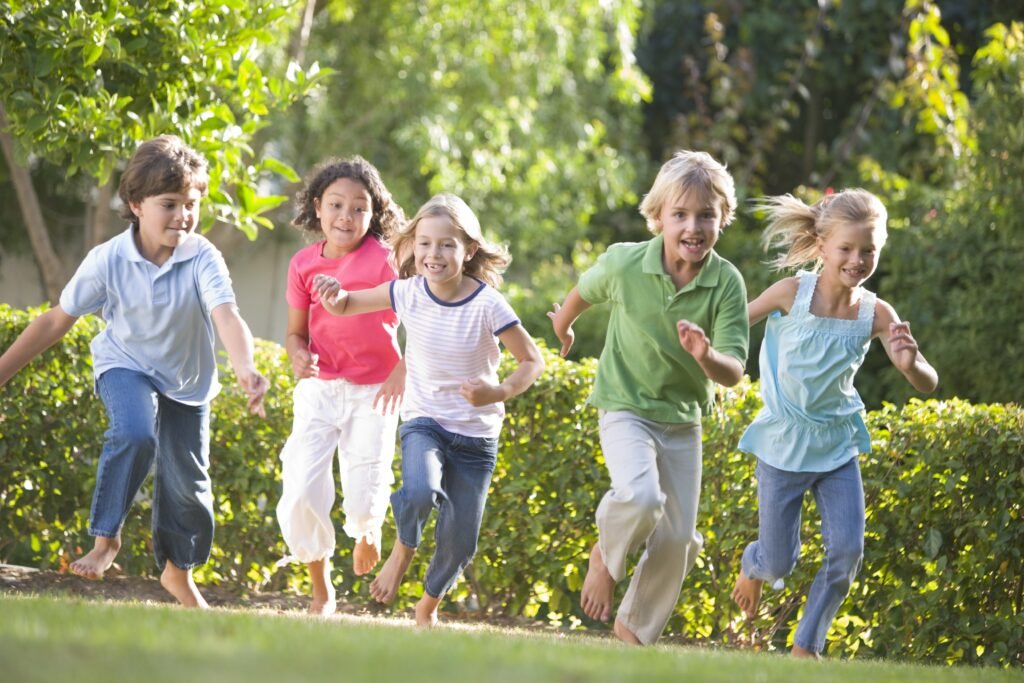
By their very nature, young children are present in what they are doing. They notice the butterflies, the rainbows and the beautiful flowers. They fully experience their emotions without thought. When they are sad they cry and when they are happy they laugh and they giggle. As children enter school age, they become exposed to […]
Self awareness and emotional regulation

At the core of self-awareness lies the ability to observe our own nature, genuinely understand it and notice how it influences our interactions with the world around us. In every situation we can either unconsciously react or mindfully respond. I often ask teachers to imagine a situation that could have had a more positive outcome, […]
Anxiety in Children: How To Recognise It
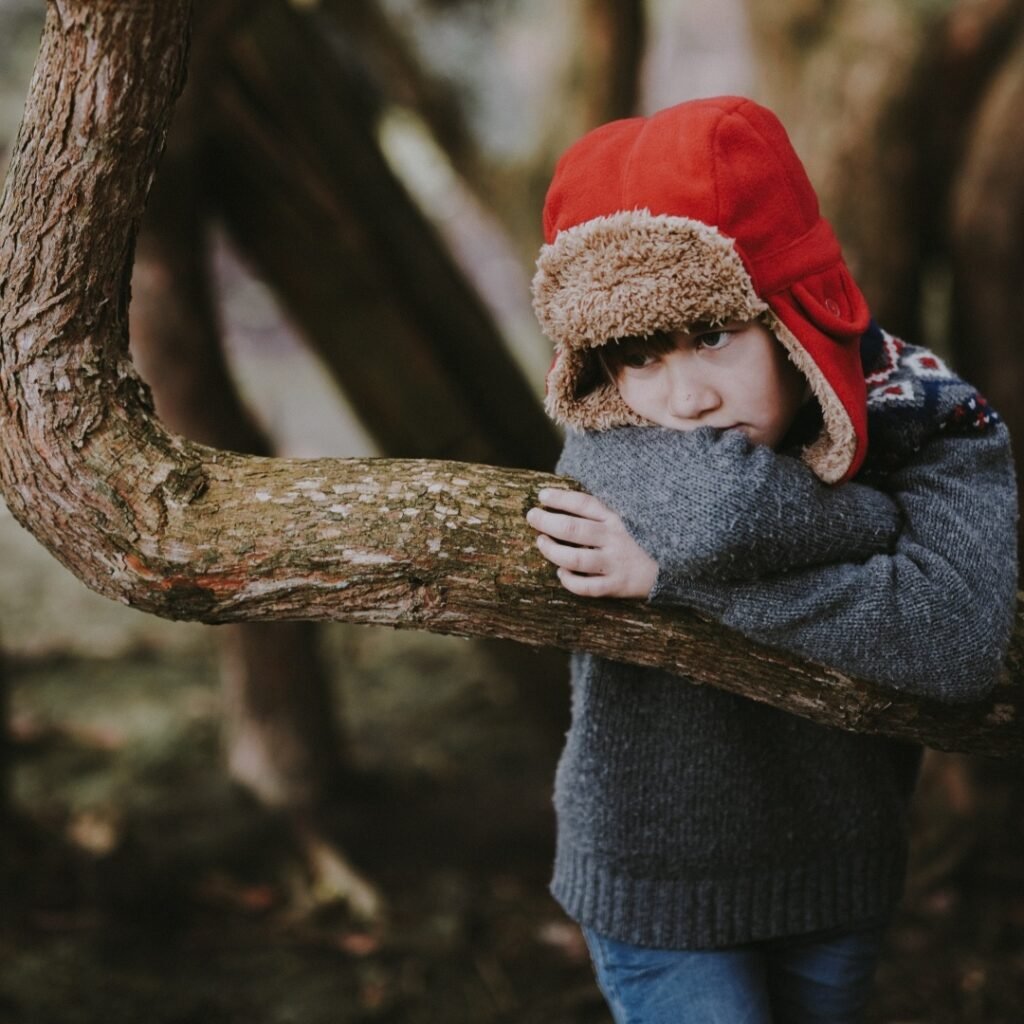
I have personally seen an incredible increase in anxiety in schools over the past ten years. I believe it has a lot to do with the pace of life and the accessibility we have to events happening all around the world, at any given moment. I know I get overwhelmed as an adult! So think […]
A Classroom Built on Wellbeing Is a Classroom Set for Success

Wellbeing is a word that is often used in schools, but without putting the concept into practice, wellbeing is just that: a word. Building a classroom on basic principles of wellbeing can set both teacher and students up for lifelong learning, successful relationships, engagement, academic development and enhanced social skills. Wellbeing is a sense of […]
The Impact of Gratitude on Wellbeing

The festive season is upon us and it is a time of giving, sharing, reflecting and gratitude. However, it can become a time of stress, rushing and forgetting the importance of wellbeing. Gratitude is strongly linked to wellbeing. We all need to feel appreciated in order to be well and productive. There are ways to […]
The Science Behind Self-Regulation and It’s Importance in Creating a Sound Learning Environment
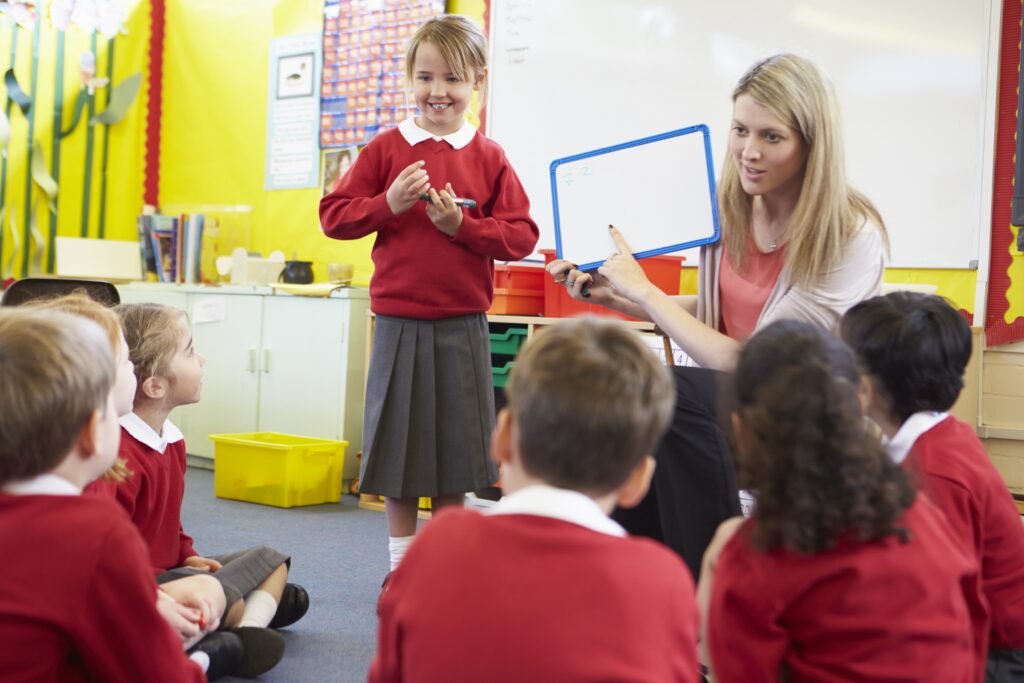
According to educational psychologist Dale Schunk, self-regulated learning refers to our ability to understand and control our learning environments. To do so, learners need to set goals, select strategies that help achieve those goals, implement strategies, and monitor their progress towards those goals. In a classroom setting, teachers can use their observations and guidance of […]
Focused Attention and It’s Effect on Wellbeing
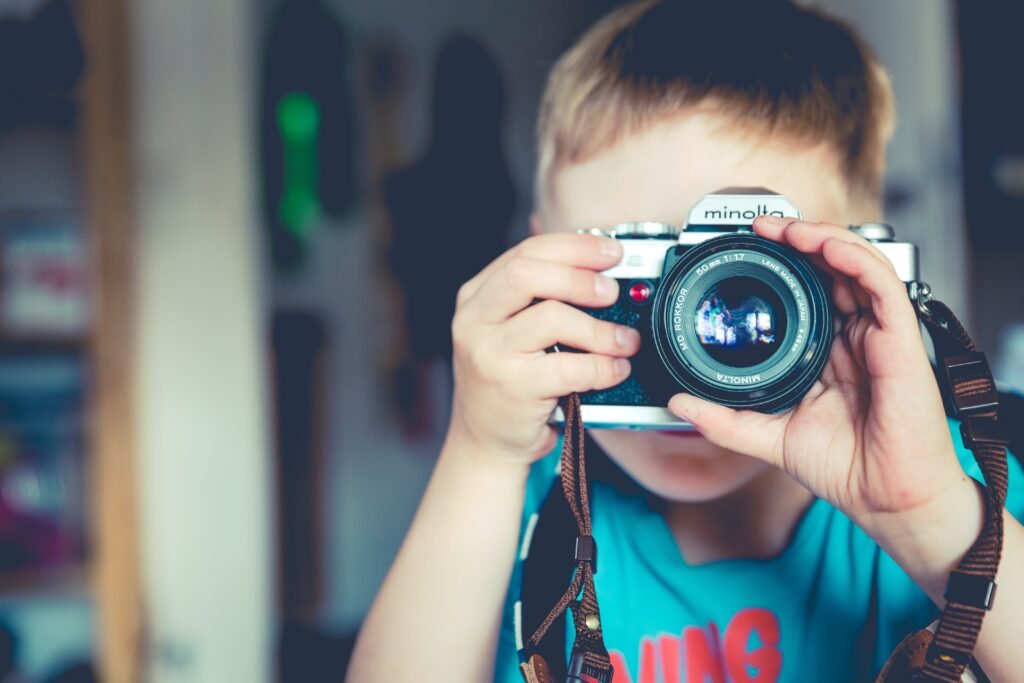
Psychologists have identified differing types of attention that help us to process information. They are generally known as Alternating Attention, Divided Attention, Selected Attention and Focused Attention. Understanding the types of attention we use for cognition is important so we can better control it, thus improving our wellbeing and outlook, reducing our stress levels and […]
How students education is like riding an elephant
As teachers and facilitators of learning, we have an embedded curriculum. We are trained to teach and enhance the wellbeing of each student within our care, regardless of age, ability, background or individual needs. We lead by example and model wellbeing, and strategies for coping and achieving. But, is wellbeing a trainable skill? In Jonathan […]
How to Reduce Anxiety in Children and Teenagers

Anxiety is a natural process for the mind to process troubles and problems in our lives. But when anxiety starts to become overwhelming, it is positive to have some processes in place to overcome anxiety and develop coping mechanisms to deal with them. We have listed some helpful information about children and teenagers with anxiety […]
Basics of Mindfulness for Adults and Kids – Why Do We Need It In Schools?

Mindfulness is all about training yourself to focus on the present moment and accept your feelings, physical condition, and thoughts. According to mindfulness.org, mindfulness “suggests that the mind is fully attending to what’s happening, to what you’re doing, to the space you’re moving through. That might seem trivial, except … that we so often veer […]