
Why Mindfulness and Yoga for Kids?
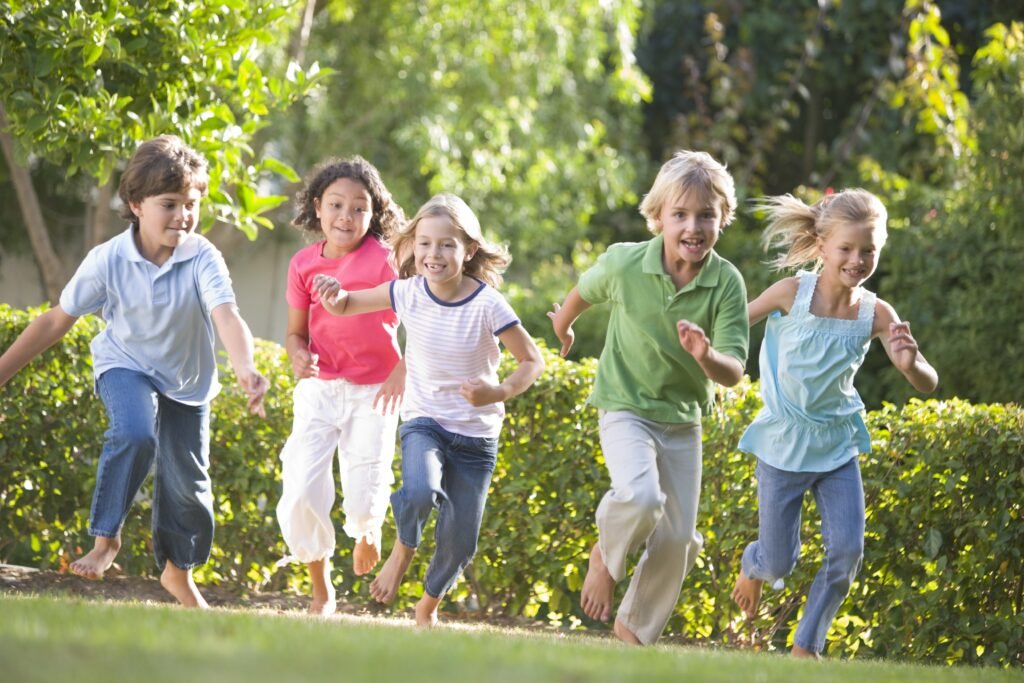
By their very nature, young children are present in what they are doing. They notice the butterflies, the rainbows and the beautiful flowers. They fully experience their emotions without thought. When they are sad they cry and when they are happy they laugh and they giggle. As children enter school age, they become exposed to […]
Anxiety in Children: How To Recognise It
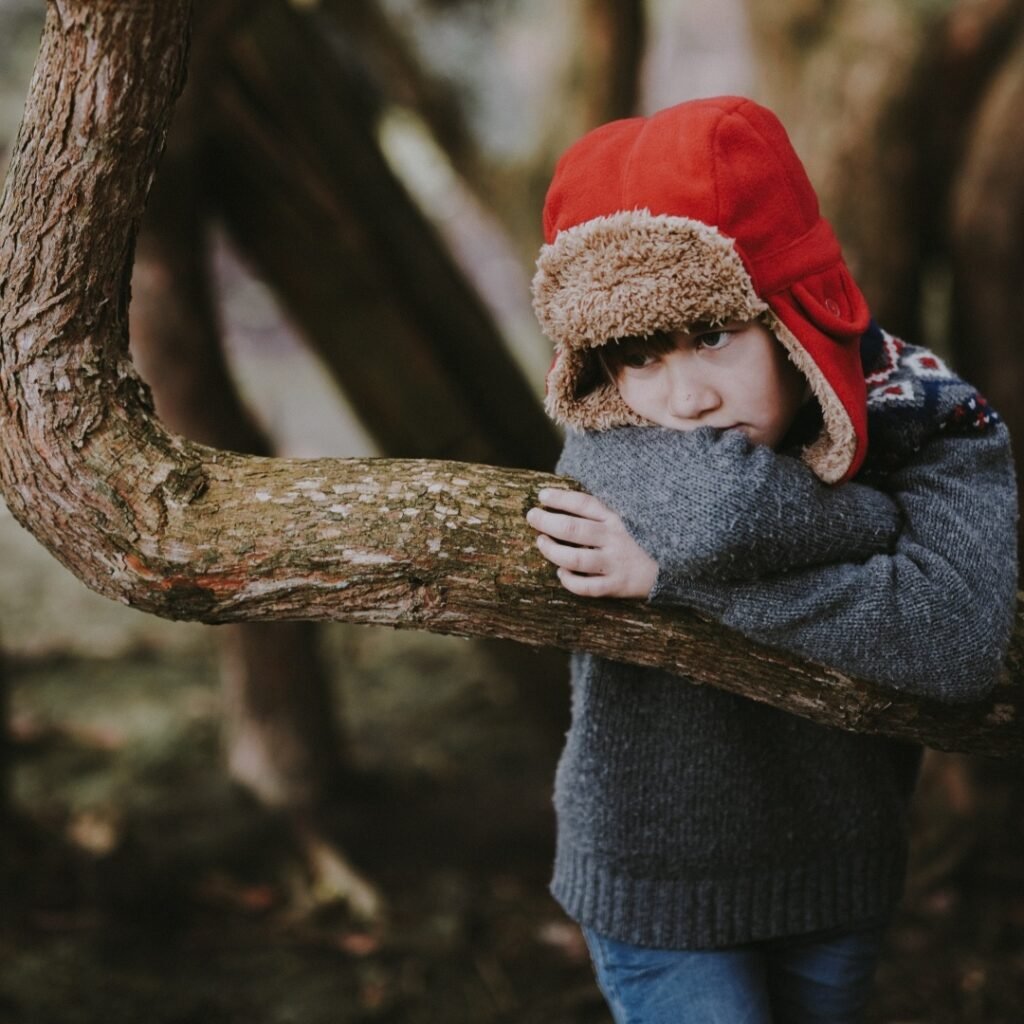
I have personally seen an incredible increase in anxiety in schools over the past ten years. I believe it has a lot to do with the pace of life and the accessibility we have to events happening all around the world, at any given moment. I know I get overwhelmed as an adult! So think […]
Outlook – The Third Pillar of Wellbeing

This week we focus on the third pillar of wellbeing: outlook. Do you feel appreciative and gratified? Or are you more of a dissatisfied cynic? Do you see the good in others, or only how they are not up to your standards? According to Dr. Rick Hanson, author of Hardwiring Happiness, our brain is like Teflon […]
A Classroom Built on Wellbeing Is a Classroom Set for Success

Wellbeing is a word that is often used in schools, but without putting the concept into practice, wellbeing is just that: a word. Building a classroom on basic principles of wellbeing can set both teacher and students up for lifelong learning, successful relationships, engagement, academic development and enhanced social skills. Wellbeing is a sense of […]
The Science Behind Self-Regulation and It’s Importance in Creating a Sound Learning Environment
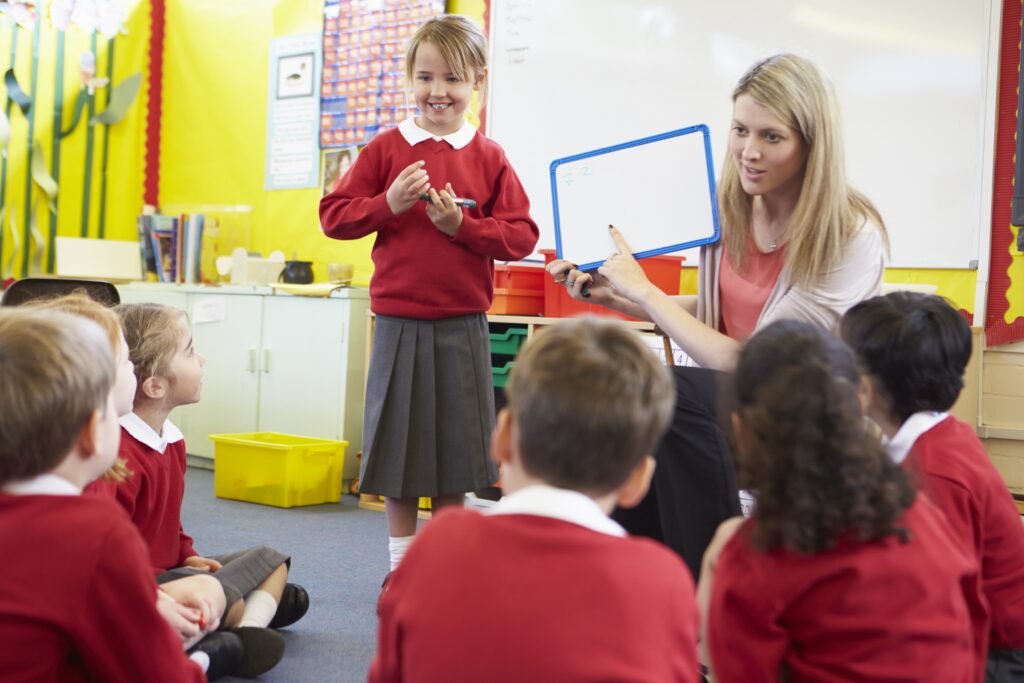
According to educational psychologist Dale Schunk, self-regulated learning refers to our ability to understand and control our learning environments. To do so, learners need to set goals, select strategies that help achieve those goals, implement strategies, and monitor their progress towards those goals. In a classroom setting, teachers can use their observations and guidance of […]
Focused Attention and It’s Effect on Wellbeing

Psychologists have identified differing types of attention that help us to process information. They are generally known as Alternating Attention, Divided Attention, Selected Attention and Focused Attention. Understanding the types of attention we use for cognition is important so we can better control it, thus improving our wellbeing and outlook, reducing our stress levels and […]
Basics of Mindfulness for Adults and Kids – Why Do We Need It In Schools?

Mindfulness is all about training yourself to focus on the present moment and accept your feelings, physical condition, and thoughts. According to mindfulness.org, mindfulness “suggests that the mind is fully attending to what’s happening, to what you’re doing, to the space you’re moving through. That might seem trivial, except … that we so often veer […]
5 Ways the Physical Education Curriculum Improves Wellbeing
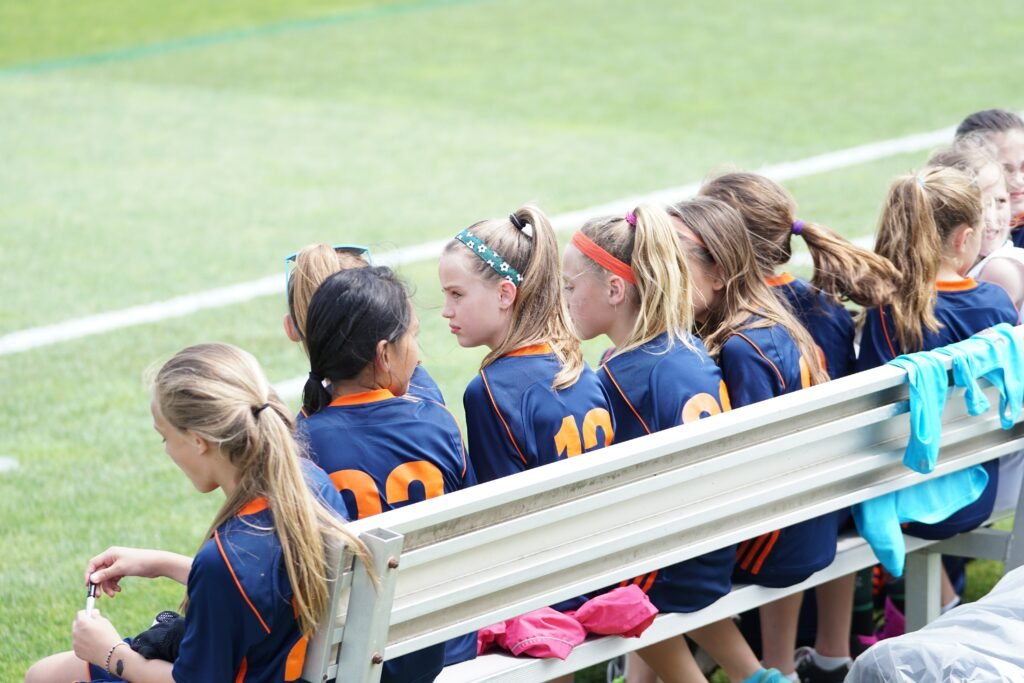
Wellbeing in schools can be achieved in many ways. The mindfulness and wellbeing of students should always be at the centre of classroom teaching and within the hidden curriculum, but in terms of pedagogy, wellbeing can be incorporated in lesson plans and individual tasks. It is widely known that physical activity contributes positively to wellbeing, […]
Mindfulness in Action in Schools – Who Gets the Benefits?
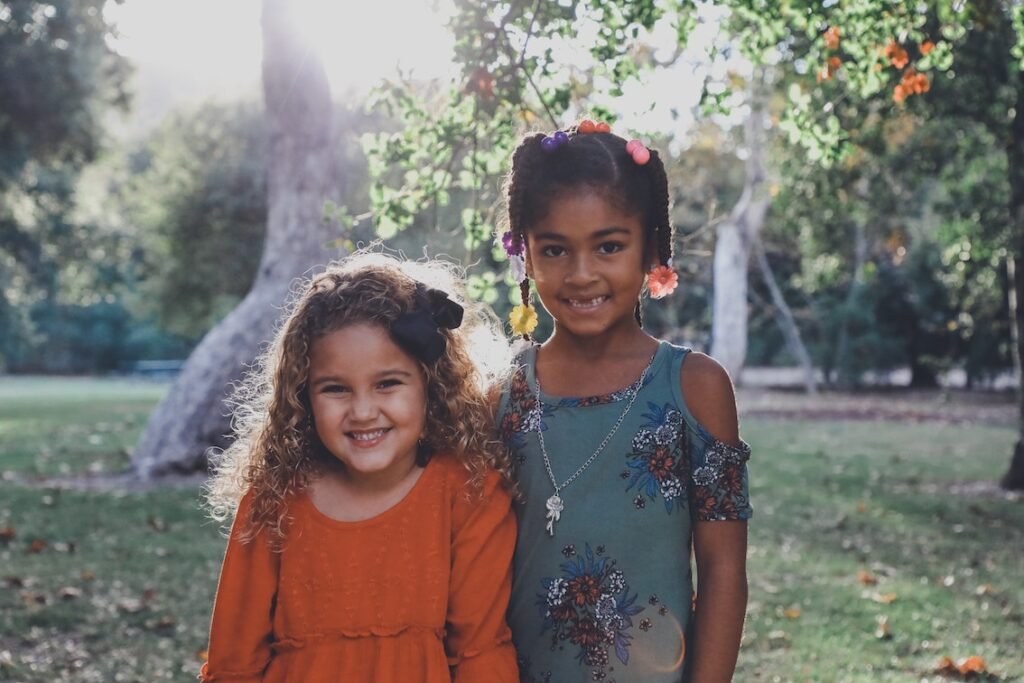
Mindfulness is the state of being fully aware and focused, which helps alleviate stress, encourage proficiency and enhance wellbeing. Mindfulness can be incorporated as a philosophy behind many curricula in schools, which benefits students as well as teachers. By teaching mindfulness, students develop increased self-discipline, self-regulation and self-responsibility, which allows them to be more diligent […]
How Mindfulness in Children Sets Them Up for Future Success
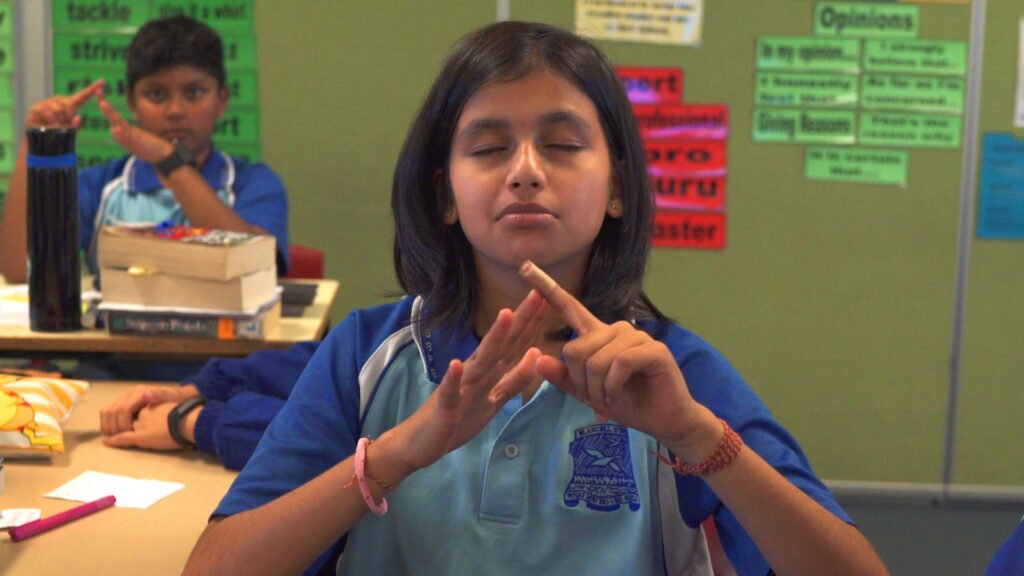
Mindfulness has become a hot topic both in schools and the community in general. Recent research indicates that skills in awareness, focus and presence can enhance students’ wellbeing and academic success. But how does mindfulness training contribute so positively to wellbeing? Here’s 5 reasons mindfulness is so important to a child’s future: MINDFULNESS IMPROVES […]